
Plasterers for homes and builders in Great Yarmouth
T.L. Webber Plastering Contractors plaster and skim walls and ceilings across Great Yarmouth, Gorleston, Caister and the rest of Norfolk and north Suffolk. Whether it's one damaged ceiling, a new kitchen or every room in a renovation, you get a smooth, flat finish that's ready for paint or paper.
Tyson works directly with homeowners and with builders on their projects, from single rooms to extensions and new builds. Customers regularly mention how clean the team leave the job.
What our plastering covers
- Re-skimming tired, cracked or patched walls and ceilings
- Full re-plastering after rewiring, damp work or a strip-out
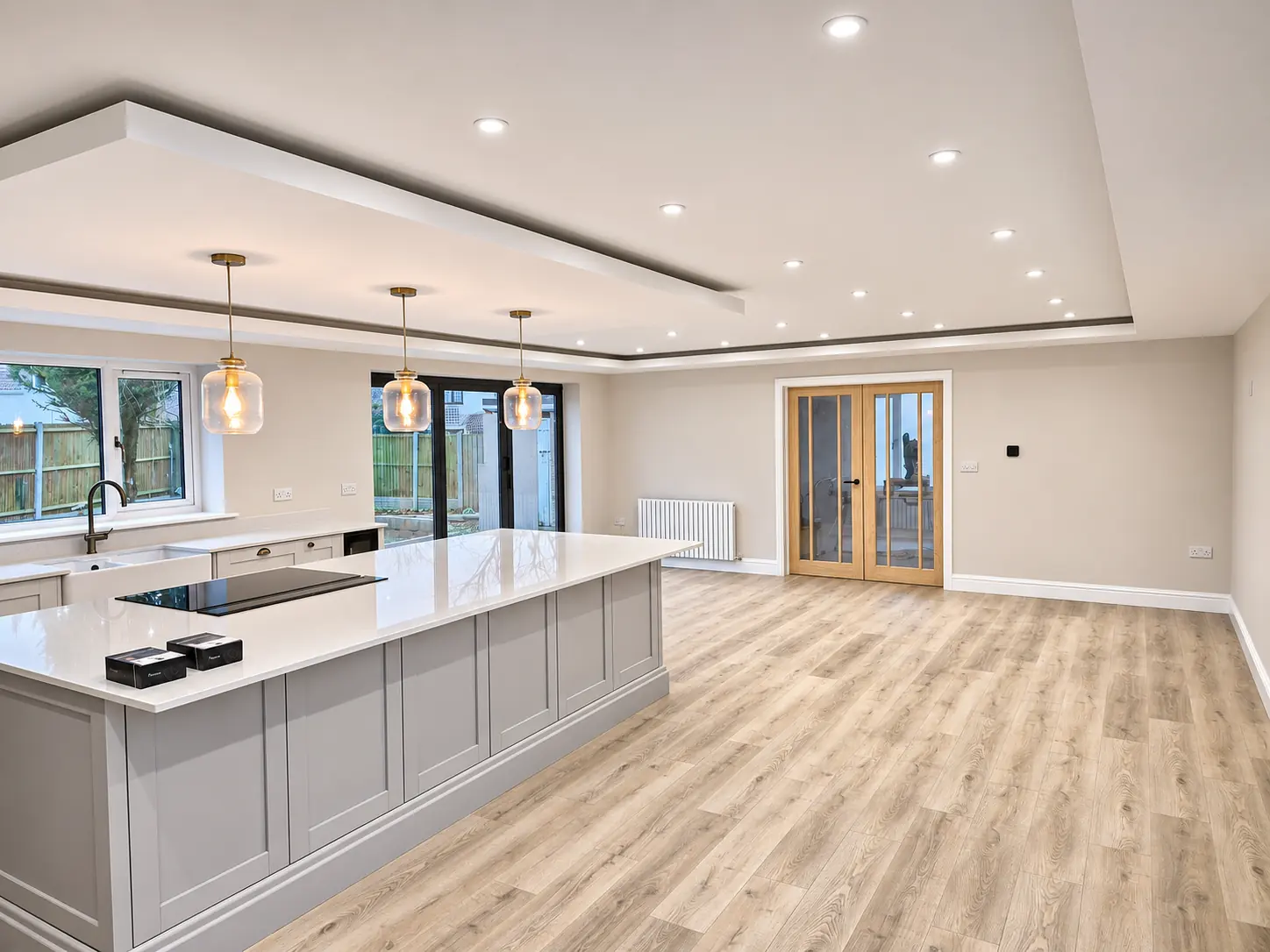
- Kitchens, porches and extensions plastered ready for fitting and decorating
- Ceilings, including textured Artex ceilings skimmed smooth
- New plasterboard skimmed after dry lining
- Vaulted and feature ceilings in barn conversions and open-plan rooms
Skimming or re-plastering?
If the existing plaster is sound and just looks tired, a skim coat is usually all it needs: a thin finishing layer that gives a fresh, flat surface. Where plaster is blown, loose, crumbling or badly damaged, it's better to take it back and re-plaster so the new finish has something solid to bond to. We'll look at the walls when we quote and tell you honestly which one your rooms need.
How a plastering job runs
- Free quote. Call or send the form and we'll arrange to look at the job and give you a clear price.
- Protection. Floors and anything left in the room are covered before work starts.
- Preparation. Loose material removed, beads fitted to corners, and the surface prepared so the plaster bonds properly.
- Plastering. Walls and ceilings finished flat and smooth.
- Clean up. The room is left tidy, ready for the plaster to dry and be decorated.
Before you decorate
New plaster needs to dry out fully before it's painted. It goes from dark to an even light pink as it dries, and the time this takes depends on the thickness, the time of year and how well the room is ventilated. Once it's dry, a mist coat (watered-down emulsion) is normally applied first to seal it. We'll give you guidance for your job when we finish.